
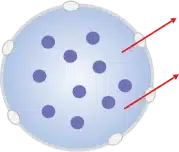
By controlling the pore size of the shell structure and the scale of the core material in the core-shell structure, a controllable overflow rate can be achieved.
WiseLabel uses advanced color-changing materials that respond to specific washing conditions and frequencies. As textiles are washed over time, the label color changes gradually, providing a clear visual signal for replacement across applications from intimate apparel to hospitality linens.
If you need deeper technical materials for evaluation, contact us and we can discuss the right next step.
WiseLabel is built around precisely controllable responsive materials that react to washing, specific compounds, friction, sunlight, and oxidation in the environment.
By controlling the pore size of the shell structure and the scale of the core material in the core-shell structure, a controllable overflow rate can be achieved.

Adsorption of free radicals in the air together with the influence of light helps drive changes in molecular conformation.

The material can form new molecular structures through reactions with specific molecules under intended conditions.
The label responds to specific washing conditions and continued textile use. As the product moves through its lifecycle, the color changes gradually and becomes a clear signal that the replacement stage has been reached.
The label responds to real textile conditions. That is what keeps the replacement reminder understandable for end users and relevant to actual product use.
Repeated washing conditions help drive the visible change over the intended product lifecycle.
Targeted material responses can be designed around specific compounds in the surrounding environment.
Normal use, handling, and textile friction are part of the conditions that support the visible transition.
Sunlight and oxidation in daily environments help shape the overall aging response of the label.
The color does not jump instantly from one state to another. It changes progressively so the reminder stays understandable.
Different textile products can use different lifecycle settings, timelines, and label formats.
The technology is intended for repeated washing, real textile use, and integration into actual products rather than a separate device.
When replacement timing becomes visible, the product can support hygiene, lifecycle, and repeat-purchase messaging in a way people immediately understand.
If you already have a likely category in mind, the fastest next step is usually to review samples and discuss product fit from there.